




Track lighting is one of the most flexible ways to illuminate a home, office, showroom or shop. Luminaires can be moved, aimed at a new object and added when the interior changes. The most important decision, however, must be made before installation: should you choose a single-phase, three-phase or magnetic track system?
These systems differ not only in appearance. They use different power and control principles, require different components and are suitable for different projects. This guide will help you compare them before the ceiling and wiring work begins.
━━━━━━━━━━━━━━━━
QUICK GUIDE
✓ Single-phase — simple and practical
✓ Three-phase — up to three separately controlled groups
✓ Magnetic — slim profile and modular design
━━━━━━━━━━━━━━━━
WHAT IS SINGLE-PHASE TRACK LIGHTING?
────────────────
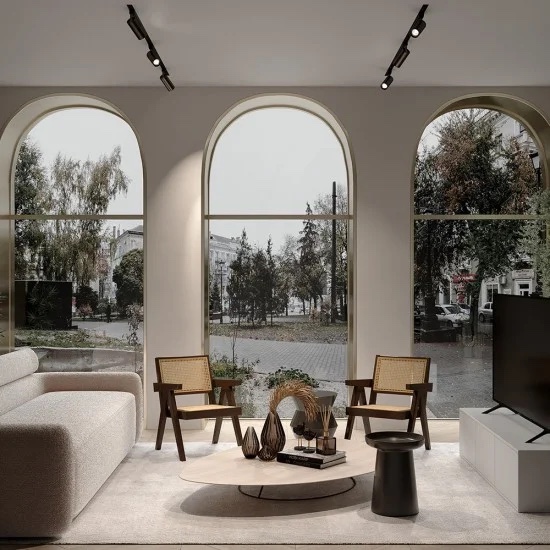
In a single-phase system, all luminaires on one track usually belong to the same switched group. When the circuit is turned on, every spotlight connected to it operates together. The track is powered directly from the mains, so the system is relatively simple and does not need a separate low-voltage power supply.
This is a practical choice for apartments, private homes, small offices and compact retail spaces. It offers a clean look, easy installation and a wide selection of adjustable spotlights. If several lighting scenes are required, additional tracks, separate circuits or compatible smart controls should be planned.
WHAT IS A THREE-PHASE TRACK SYSTEM?
────────────────
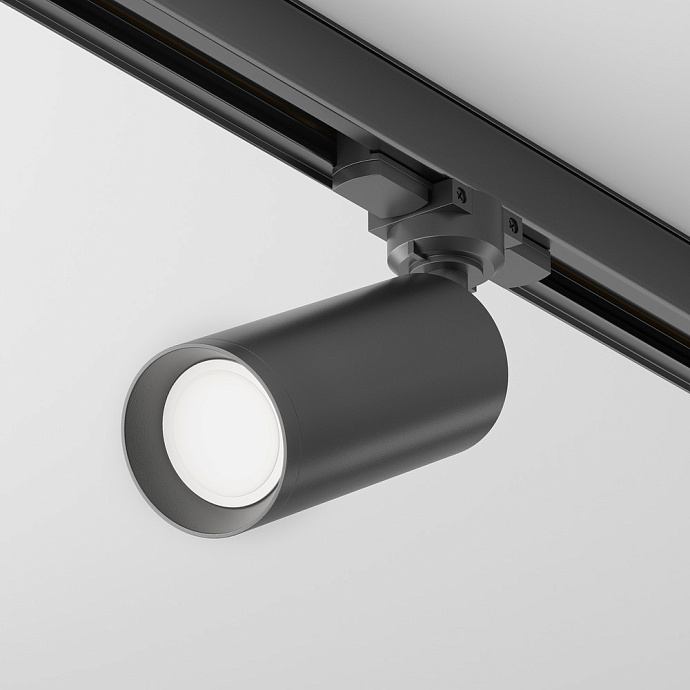
A three-phase track can support up to three independently controlled lighting groups on the same physical track, provided the wiring and controls are designed accordingly. For example, general lighting, accent lighting and window-display lighting can be switched separately without installing three different tracks.
This makes three-phase systems common in shops, galleries, showrooms and larger offices. They give more control and are easy to adapt when displays or furniture move. The components are usually larger and the electrical design is more demanding, so the system should be planned with a qualified electrician.
WHAT IS MAGNETIC TRACK LIGHTING?
────────────────
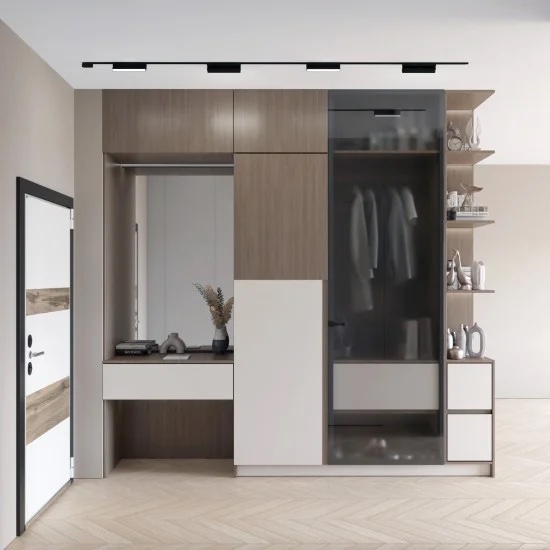
Magnetic track lighting is a low-voltage modular system, commonly operating at 48 V through a power supply. Luminaires are placed into the track with a magnetic connection and a mechanical lock. Depending on the chosen product family, the same track can accept spotlights, linear modules and pendant luminaires.
Its main advantages are a slim architectural appearance and easy reconfiguration. It is especially suitable for modern homes, open-plan living areas, offices and premium commercial interiors. The power supply, track, connectors and luminaires must belong to a compatible system, so it is best to choose the complete ecosystem before installation.
QUICK COMPARISON
────────────────
System | Control | Best suited for | Important to know |
• Single-phase | • Usually one group per track | • Homes, small offices and shops | • Simple, practical and cost-effective |
• Three-phase | • Up to three lighting groups | • Retail, galleries and larger spaces | • More flexible control; requires careful planning |
• Magnetic | • Depends on the selected system and controls | • Modern homes and design-led interiors | • Low-voltage system with compatible power supply and modules |
SURFACE-MOUNTED, RECESSED OR SUSPENDED?
────────────────
The track type is only one part of the decision. A surface-mounted track is the easiest solution for a finished concrete or plaster ceiling. A recessed track creates the most minimal result, but it must be planned before the ceiling is closed. Suspended installation works well in rooms with high ceilings and above tables, kitchen islands or work zones.
FIVE QUESTIONS TO ANSWER BEFORE BUYING
────────────────
• How many lighting zones do you need? Decide whether all luminaires can switch together or whether separate scenes are required.
• Is dimming or smart control important? Confirm compatibility between the driver, luminaire, dimmer and control protocol.
• What stage is the renovation at? Recessed profiles and hidden power supplies need space and advance planning.
• What light quality is required? Consider beam angle, luminous flux, colour temperature and CRI, not wattage alone.
• Will the system grow later? Choose a product family with the modules and connectors you may need in the future.
WHICH SYSTEM SHOULD YOU CHOOSE?
────────────────
For a straightforward home project, a single-phase system is often the most practical starting point. For an open-plan home where a discreet profile and several types of light are important, a magnetic system can offer the best design flexibility. In a shop, gallery or large multifunctional room, a three-phase system is often preferable because different groups can be controlled separately.
There is no universal winner: the right system depends on the room, ceiling, wiring, control needs and future plans. Explore our track lighting systems, or contact the Luminance team before installation so that the track, power supply, connectors and luminaires work together as one reliable solution.