


After sunset, a garden should neither disappear outside the window nor become a floodlit space. Thoughtful lighting makes the route home clear, brings out planting and preserves a relaxed atmosphere. LTX BARD4 provides the outdoor setting for these ideas.
Start with outdoor lighting in the Luminance catalogue and a simple site plan. The following points help establish priorities before cables and foundations are installed.
1. BARD4 as part of the landscape
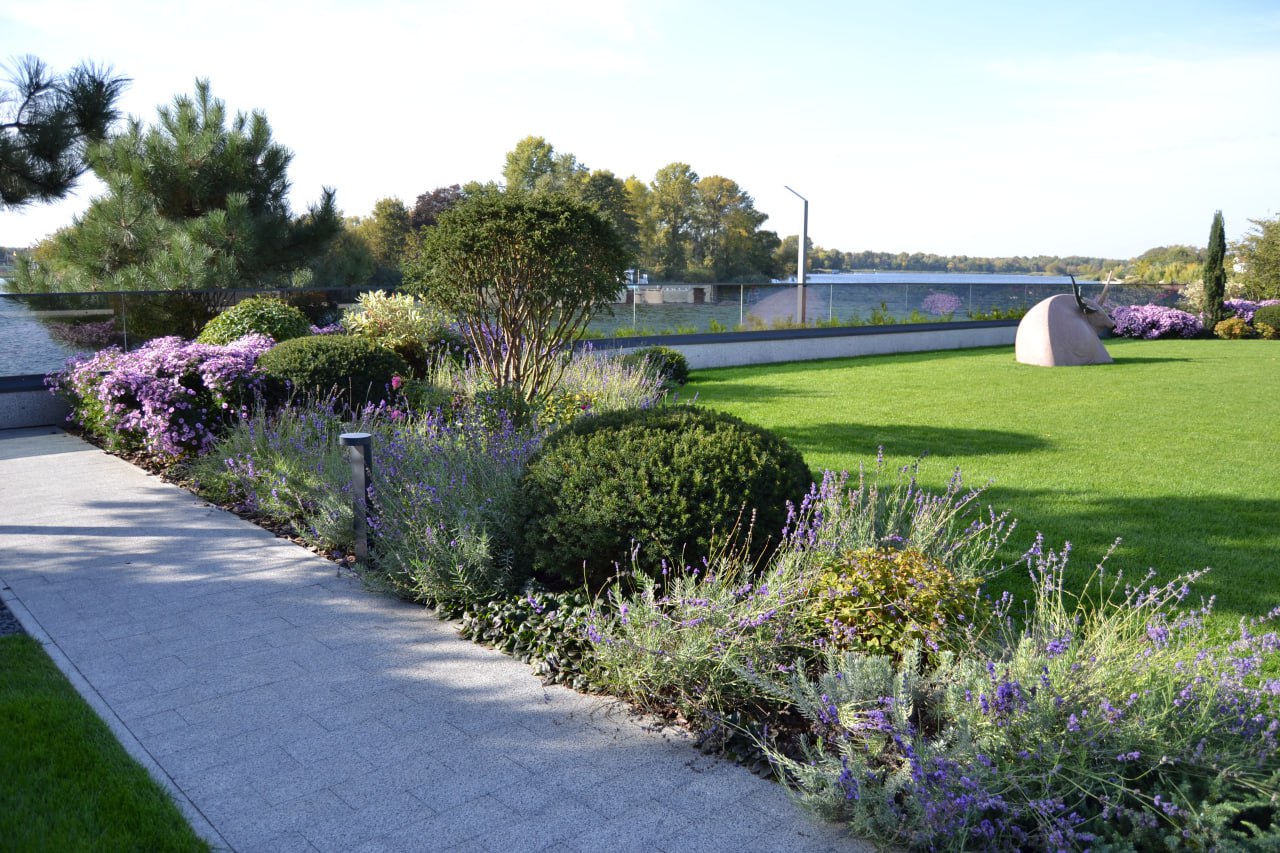
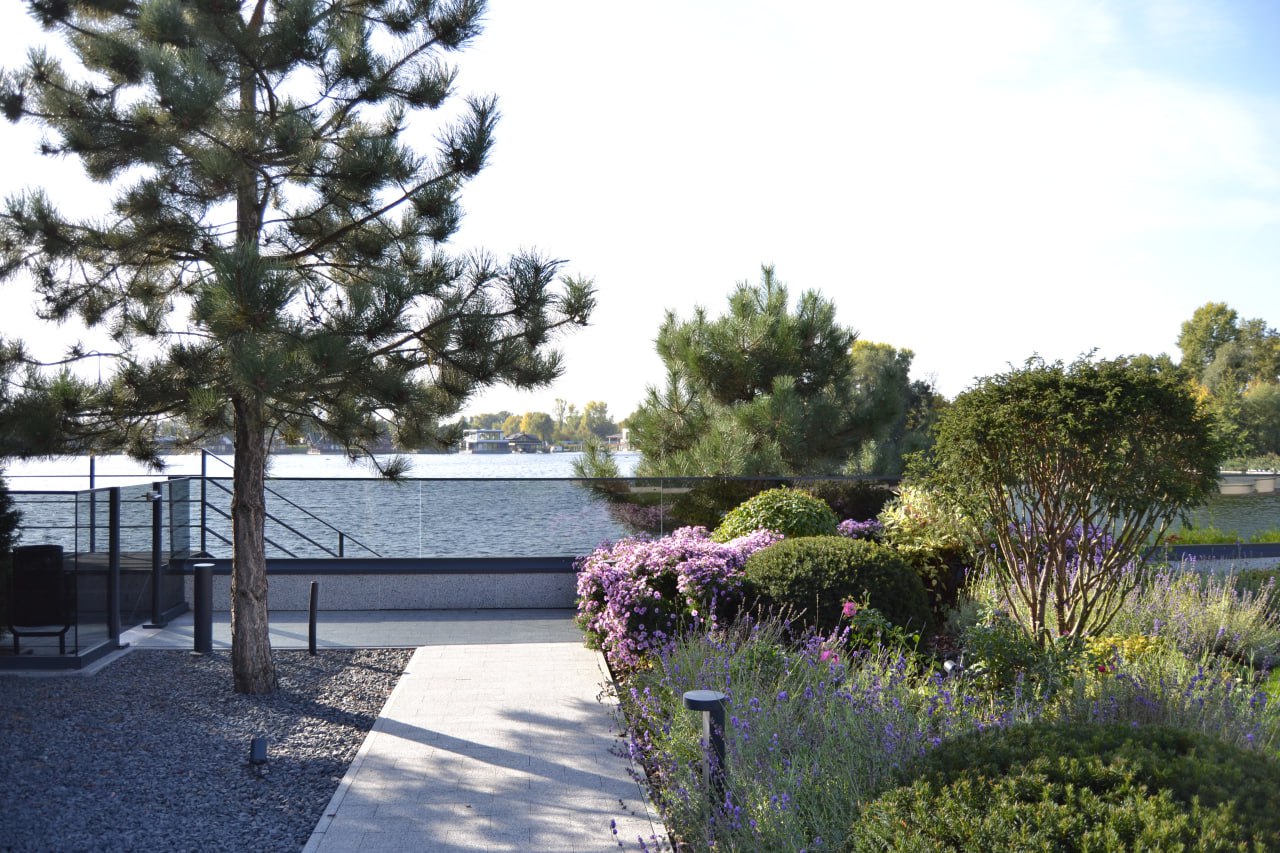
The photographs from LTX’s official The Luxury of Peace project show BARD4 garden bollards beside paths and planting. Their placement illustrates how a fixture can belong to the landscape without becoming its main focal point.
Consider the housing together with plant height, path width, paving materials and the lines of the building. Daytime photographs explain scale, but evening distribution needs assessment using the selected model’s photometric information or a trial installation.
2. Paths: map the route first
Mark the route from the gate or parking area to the entrance, the turn towards the terrace and access to utility areas. Changes of direction, steps and changes in level deserve particular attention. Light should make both the walking surface and the route easy to read.
Do not choose uniform spacing solely for symmetry. Suitable distances depend on optics, mounting height, path width and surrounding light. Check for dark gaps between pools of light and for sources shining directly into the eyes of someone approaching.
3. Planting and depth after dark
Choose a few elements worth drawing attention to: a textured shrub, a tree or the edge of a planted bed. Lighting everything equally can flatten the view. A quieter background gives selected accents more presence.
Allow for growth and seasonal change. Summer foliage may block the light, while the housing may become more visible in winter. Leave room for pruning and maintenance, and keep fixtures away from lawnmower routes, snow storage and garden equipment.
4. Terraces: assess the view while seated
The view from a chair or dining table matters. A source that feels comfortable when standing may be at eye level when seated. Assess positions from several viewpoints, including the house windows and neighbouring properties.
Combine gentle lighting around the seating area with a separately lit approach. Explore different types of outdoor lighting: bollards can define circulation, while the table or doorway may require a separate source.
5. Light colour and evening scenes
Coordinate colour temperature with the facade and other outdoor fixtures. Warm light often suits a relaxed seating area, but judge it on the actual materials: stone, timber and foliage respond differently.
Consider separate settings for arriving home, spending an evening outdoors and late-night use. Timers or sensors can reduce unnecessary operating time. Confirm dimming and control compatibility against the exact article number rather than assuming all versions offer the same functions.
6. Before installation
Agree foundations, cable routes, protected connections and drainage with the installer. Check the selected article’s IP rating, operating temperature range and manufacturer instructions against its intended location. An outdoor label alone does not settle every installation condition.
Allow access for maintenance and consider where snow will be cleared. Before fixing positions permanently, walk the route after dark, sit on the terrace and look out from the house. This makes glare and awkward placement easier to spot while adjustments are still straightforward.
Lighting for your outdoor space
Send a garden plan and photographs of the paths, entrance and terrace. We can help select lighting for your needs and clarify components and supply arrangements.
Explore outdoor lighting