


One bright ceiling fitting does not always make a room comfortable. The table may still be dark, the screen reflects a lamp, and in the evening you want to switch everything off. Layered lighting separates the jobs: ambient light supports orientation, task light illuminates a useful surface and accent light adds depth to an interior.
Start with what you do in each part of the room, then choose the fittings. The Luminance catalogue offers a starting point with ceiling, pendant and wall lights, track systems and LED strips. Here is how to turn separate products into a coordinated scheme.
1. Ambient light: a comfortable base, not maximum brightness
Ambient lighting helps you move around and understand the space as a whole. It can come from diffuse ceiling light, a suitable combination of recessed fittings or light reflected from walls and ceilings. The result matters more than the number of fittings.
Avoid filling the ceiling with an even grid of downlights before choosing the furniture. A tall cabinet, dark finishes and the position of a sofa all influence the distribution. A well-lit wall visible from the room also contributes to perceived brightness. Do not judge the scheme by the floor alone.
2. Task light: where accuracy matters
Reading, cooking and desk work need light on a particular surface. In a kitchen, your body can block ceiling light. Separate worktop lighting is often more useful than making the entire room brighter.
Position the source so your head and hands do not cast distracting shadows. Consider reflections in monitors, glossy worktops and mirrors. A pendant above a table can provide task light and decoration, but an attractive shade does not guarantee enough useful light. Compare the exact model’s light distribution and specifications in the pendant-light collection.
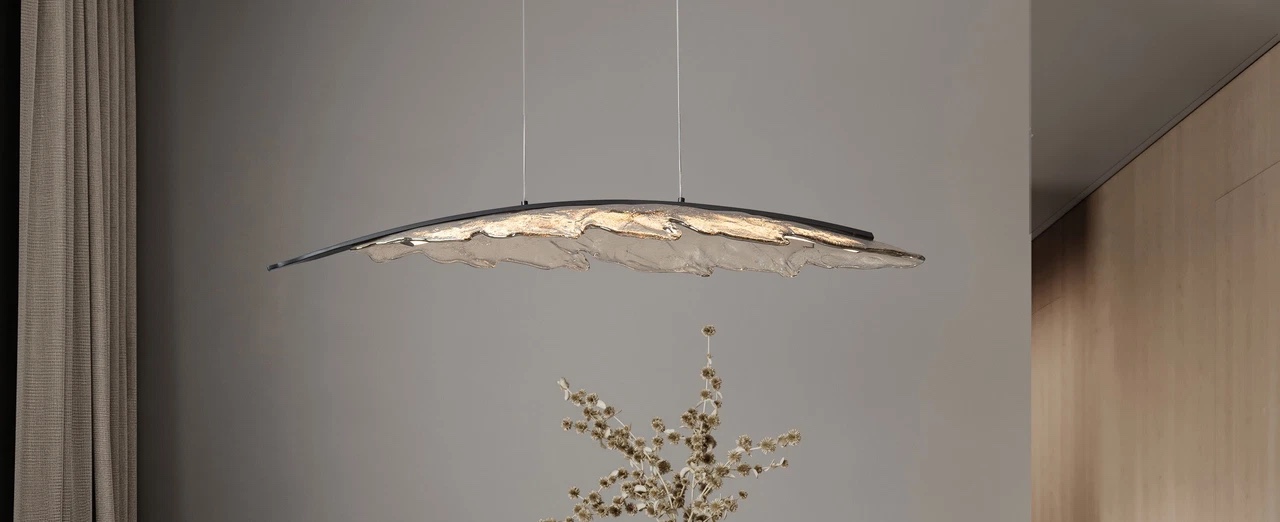
3. Accent light: highlight what matters
A picture, textured wall, open shelf or plant can become a quiet focal point after dark. A directional spotlight, wall fitting or concealed source may suit the job. The right choice depends on what you want to reveal.
An accent does not have to be the brightest patch in the room. Start with one or two objects and check the view from the sofa and doorway. If every decoration is equally prominent, the accents lose their purpose. Avoid directing a visible source into a seated person’s eyes.
4. Combining the three layers
A living room might combine soft ambient light, a separate reading source and an illuminated wall. An open-plan kitchen adds a worktop and dining table. These zones do not all need to operate at once.
For cleaning, use ambient light with the task groups you need. For reading, use the armchair light with a comfortable background. For dinner, keep the table area and a few accents. These are starting ideas, not compulsory equipment or fixed brightness percentages.
One fitting can sometimes do two jobs, and one track system can carry different modules. Power and controls still depend on the particular system. Similar-looking luminaires, tracks and power supplies are not automatically interchangeable.
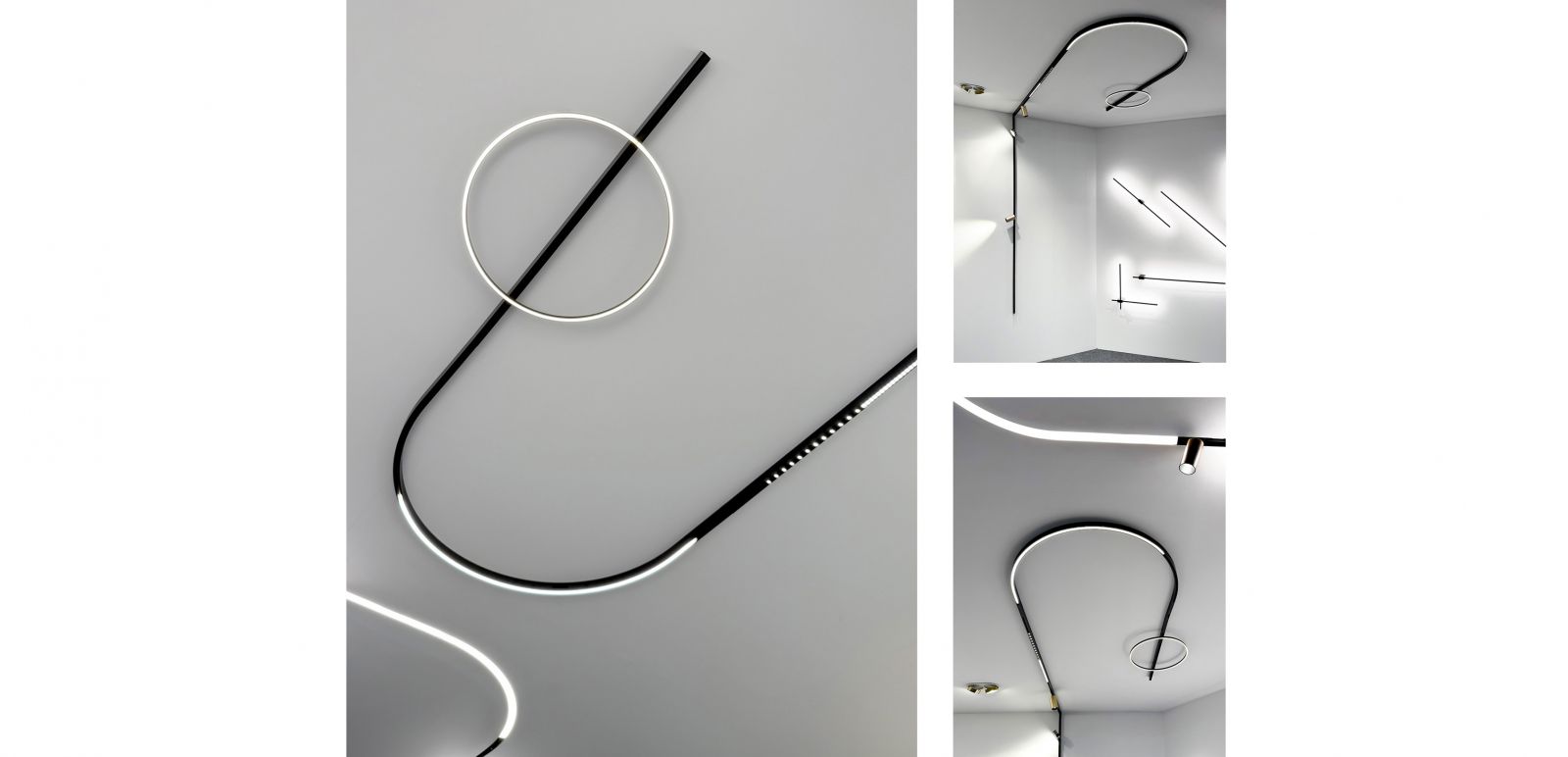
5. Plan the controls before buying
Separate switching groups let you combine the layers. Dimming adds flexibility only when the fitting, driver and controller are compatible. An LED label does not automatically mean dimmable.
Check the switch positions so you can turn off an unnecessary layer without crossing the whole room. For smart controls, confirm the protocol, whether a gateway is required and which scenes are supported. Have installation and electrical component selection checked by a qualified electrician.
6. A quick check of your plan
Draw the furniture and mark where you read, cook and relax. Give each area a lighting task and a way to control it. Review the plan for both daylight and evening use: switching on one group should not make every other group essential.
- There is a comfortable background for moving around.
- Task surfaces have no distracting shadows or reflections.
- Accents highlight selected objects rather than every decoration.
- Groups switch separately, and dimming compatibility is confirmed.
- Dimensions, light output and included components are checked against exact product codes.
Build your own lighting scheme
Start with the task in each zone, then compare suitable fittings in the Luminance catalogue. For track lighting, select the system and its components together.
Explore the catalogue